Moving Towards Organic Farming
"Live as though you’ll die tomorrow, but farm as though you’ll live forever."
John Marsden
Cattle and sheep have returned to our fields as part of a move towards organic and regenerative methods of farming in the last few years. They help return nutrients into the soil, adding interest, complexity and enjoyment whilst benefiting biodiversity and carbon storage.
Our emerging herd of beautiful brown Luing cattle (half Highland, half Shorthorn) are all in-calf for April 2026. The first calves that were born in spring 2025 are responding to the luscious, healthy, year-round pasture diet.
The tup (ram) called Marvellous has not been slow to visit the Lleyn ewes again so we hope for a good lambing in April. The ewe lambs are playing hard to get for our other Shetland tups Toby, Paul and Jake. Our first crop of lambs fattened well on the grass and herb leys; the boys were sold through the ring at Stirling for good trade. We hope to add Winton beef and lamb to menus for house guests next year with a strong story to tell.
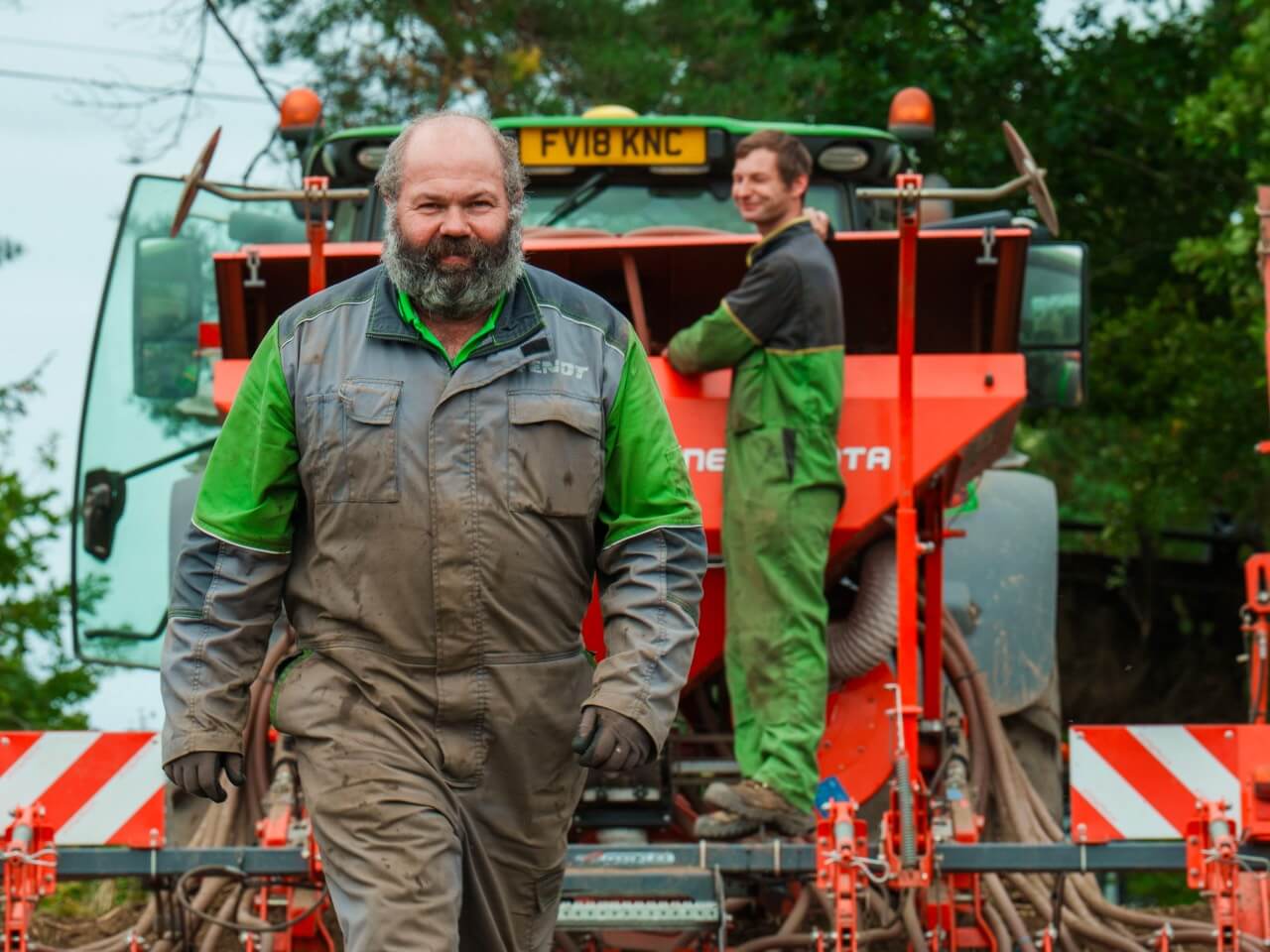
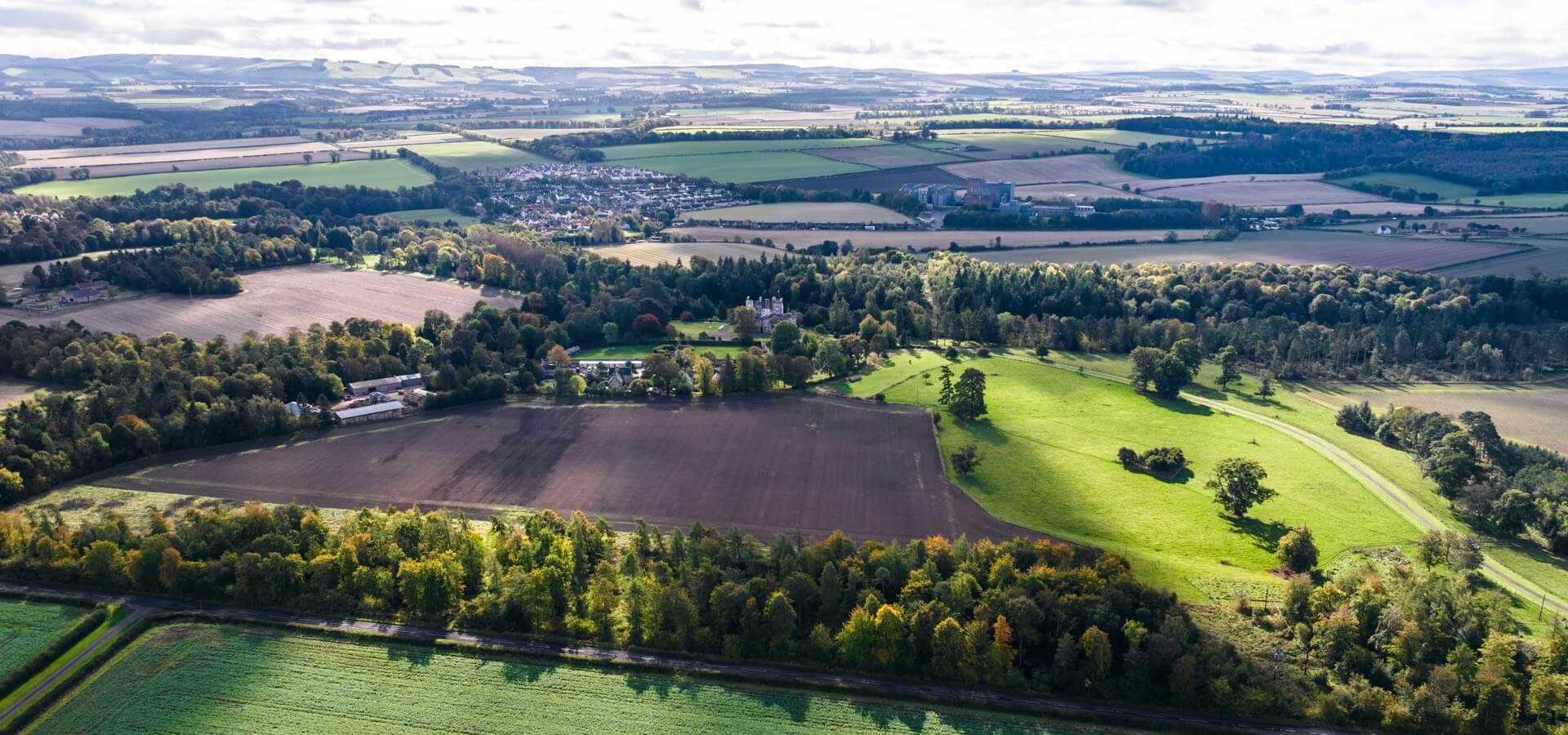
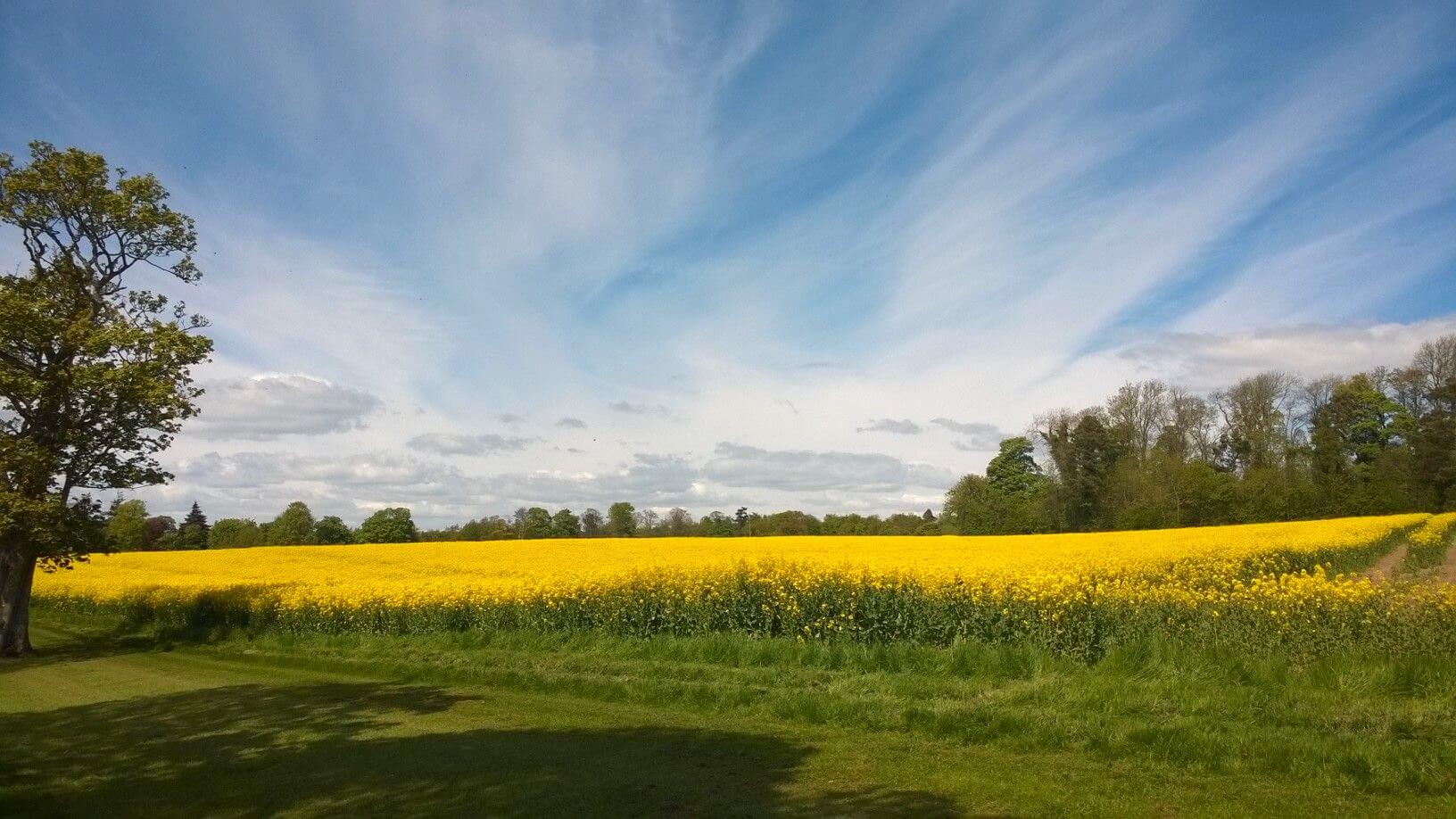
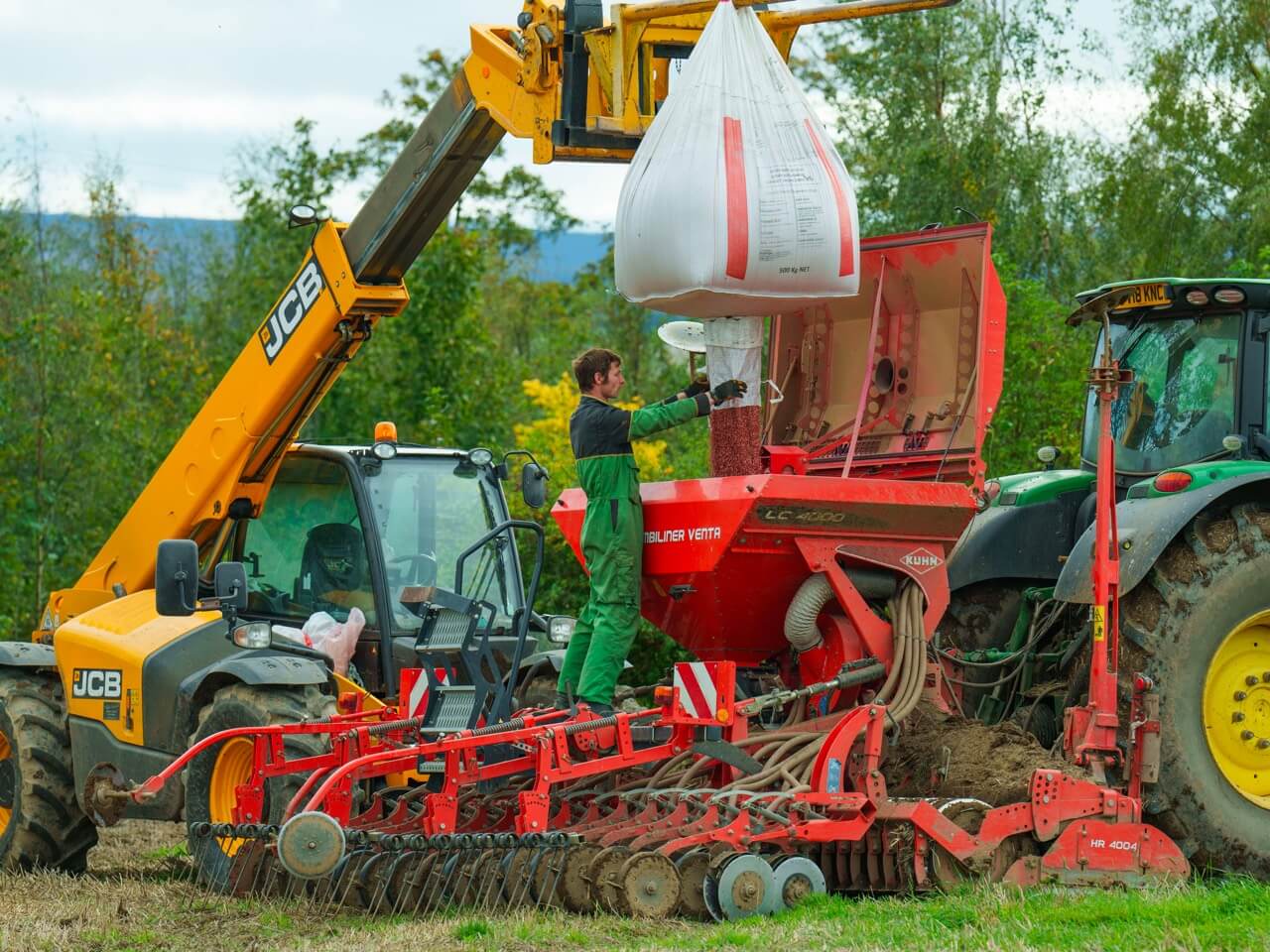
Arable farming still dominates field cropping on Winton Series clay ground (see ‘Local Geology’). Wheat, barley, oats and oilseed rape are grown for distilling, bread making, breakfast cereals and feed alongside oils for industrial and food applications. Next year we expect to trial companion cropping with beans alongside oats.


We are proud to be a member of Scottish Agritourism, the “official body for agritourism in Scotland, providing leadership and a strong voice to represent and grow the sector.” Winton Castle celebrates 25 years of contribution to Scotland’s agritourism sector and the rural community.
For more information on Scottish Agritourism, please visit the website.